What to Drink With Your Kebab: A Flavor-First Guide to Pairing Beverages with Turkish Food

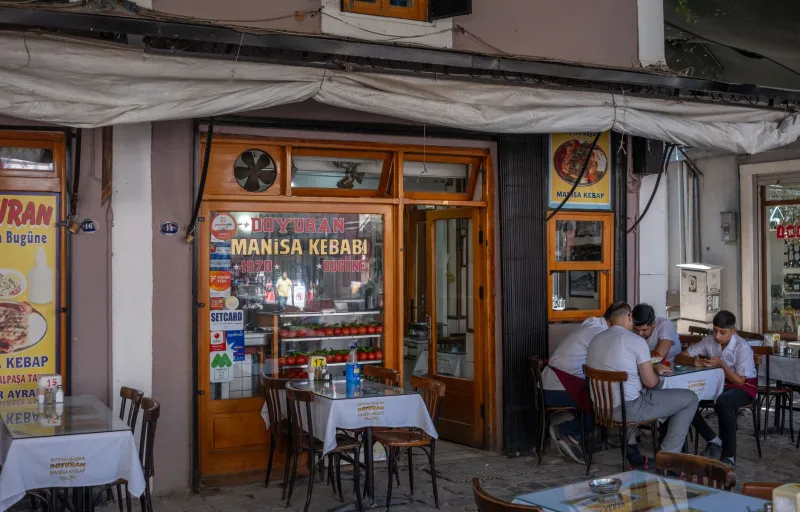
Photo: E4024, CC BY-SA 4.0, via Wikimedia Commons
Most people don't think twice about what they're drinking when they sit down to a plate of Adana kebab or a beautifully charred lamb şiş. They grab whatever's cold, maybe a soda or a beer, and call it a day. Nothing wrong with that. But here's the thing — Turkish food is genuinely one of the most interesting cuisines to pair beverages with, and once you start paying attention, it's hard to go back to drinking on autopilot.
At Taki's, we've been watching this shift happen in real time. Guests are asking more questions. They want to know what wine goes with the smoky heat of Adana, or whether there's a craft beer that can hold its own against a lamb marinade heavy with cumin and sumac. So we put together this guide — not to make things complicated, but to give you a starting point for exploring what's already on your plate in a whole new way.
Why Turkish Food Is a Pairing Playground
The spice profiles in Turkish kebab cooking are genuinely layered. You've got warm, earthy notes from cumin and allspice. Bright acidity from sumac. Heat — sometimes subtle, sometimes assertive — from red pepper flakes and biber paste. Then there's the char itself, that smoky, slightly bitter edge that comes from cooking over open flame. Put all of that together, and you've got a flavor landscape that responds differently to every beverage you set next to it.
A tannic red wine will do one thing. A crisp pilsner will do something completely different. Even sparkling water with a squeeze of lemon changes the experience in ways that are worth noticing. Turkish cuisine rewards curiosity, and pairing is just another form of that.
Turkish Wine: The Most Overlooked Starting Point
If you haven't explored Turkish wine yet, you're missing out on something genuinely exciting. Turkey has one of the oldest winemaking traditions in the world, and its indigenous grape varieties — Öküzgözü, Boğazkere, Narince — produce wines that are practically designed to sit next to the country's food.
Öküzgözü, which translates roughly to "ox eye," is a red grape from eastern Anatolia that produces medium-bodied wines with dark fruit, soft tannins, and a hint of spice. It's a natural match for lamb kebab — the wine's earthiness mirrors the meat's richness without steamrolling the spices. Boğazkere is bolder and more tannic, better suited to heavier dishes like Urfa kebab or anything with a lot of charred exterior.
On the white side, Narince is a crisp, aromatic variety that pairs beautifully with chicken şiş or any kebab served with a heavy yogurt sauce. The wine's bright acidity cuts through the fat and refreshes the palate between bites.
These wines are showing up at more specialty shops and online retailers across the US, so they're not as hard to track down as they used to be. Ask at your local wine shop — chances are someone there knows exactly what you're talking about.
Arak and Rakı: The Traditional Choice
No conversation about Turkish beverage pairing is complete without mentioning rakı, Turkey's beloved anise-flavored spirit. Traditionally diluted with cold water (which turns it a milky white — hence the nickname "lion's milk"), rakı is the classic companion to a long, leisurely Turkish meal.
The anise flavor might sound like it would clash with the savory intensity of kebab, but it actually works as a palate cleanser. The herbal, slightly sweet quality of rakı softens the heat and smoke of the meat, and the ritual of sipping slowly between bites naturally paces the meal in a way that's genuinely enjoyable.
Arak, the Lebanese and Middle Eastern cousin of rakı, works similarly and is often easier to find in the US. Look for it at Middle Eastern grocery stores or well-stocked liquor shops. Serve it over ice with a splash of water, and let it do its thing.
Craft Beer: More Nuance Than You'd Expect
American craft beer culture has produced some genuinely thoughtful options for pairing with spiced, grilled meats. The key is knowing which styles to reach for.
Wheat beers and hefeweizens are a go-to for chicken or vegetable kebab. Their soft carbonation and subtle banana-clove notes complement lighter spice profiles without overwhelming them. A good American wheat or a German-style hefeweizen is refreshing and easy alongside a pita-wrapped chicken doner.
Amber ales and märzens are better suited to lamb. Their caramel malt backbone has enough sweetness to balance the savory, slightly gamey quality of lamb kebab, while the moderate bitterness keeps things from feeling heavy.
IPAs are trickier, but not impossible. A juicy, hazy New England-style IPA — lower in bitterness, high in tropical fruit aroma — can actually work really well with Adana kebab. The citrus notes in the hop profile play off the heat in a way that's genuinely interesting. Just avoid aggressively bitter West Coast IPAs, which tend to amplify spice heat rather than balance it.
Non-Alcoholic Options Worth Taking Seriously
Not everyone drinks, and honestly, some of the most interesting pairing conversations we've had at Taki's have been about non-alcoholic options. Turkish food has a rich tradition of beverages that were never meant to have alcohol in them, and they're worth exploring on their own terms.
Ayran is the classic — a cold, lightly salted yogurt drink that's been served alongside kebab in Turkey for centuries. It sounds simple, and it is, but the way it cools the palate and complements the tangy notes in a yogurt-marinated chicken kebab is kind of remarkable. If you've never tried it, start here.
Şalgam suyu (fermented turnip juice) is funkier and more acquired-taste, but it has a devoted following. It's earthy, slightly sour, and deeply savory — a genuinely interesting counterpoint to the richness of lamb.
Sparkling water with citrus is the easy, universally applicable answer. A good quality sparkling water — San Pellegrino, Topo Chico, whatever you like — with a wedge of lemon or a few drops of pomegranate juice does a lot of the same work as a light wine. It cleanses, refreshes, and lets the food stay in the spotlight.
Non-alcoholic craft beverages are also having a moment across the US right now, and some of the better options — tart shrubs, botanical sparkling drinks, zero-proof spirits — pair surprisingly well with Turkish food. Look for anything with citrus, herbs, or mild bitterness.
A Simple Framework for Pairing
If you want a shortcut, here's the basic logic: match the weight of the drink to the weight of the dish. Light kebab (chicken, vegetable) wants something crisp and refreshing — white wine, wheat beer, ayran. Heavy kebab (lamb, beef, Adana) can handle something with more body — red wine, amber ale, rakı. And when in doubt, something cold and bubbly almost always works.
The best pairing is the one you actually enjoy. Come into Taki's, order something you haven't tried before, and pay attention to what happens when you take a sip between bites. That's really all this is — paying attention and having a good time doing it.