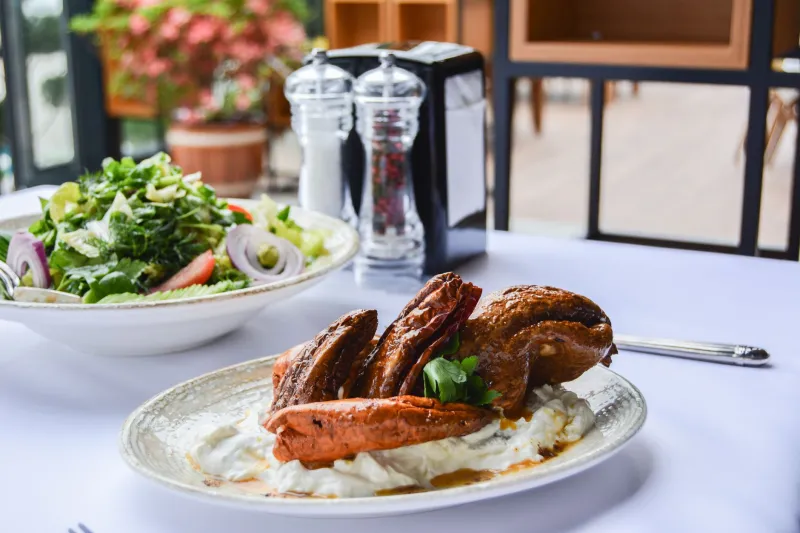
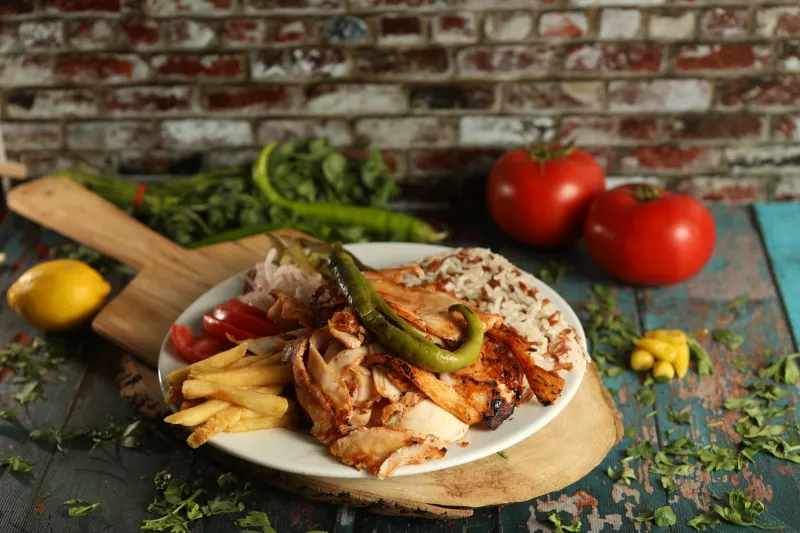
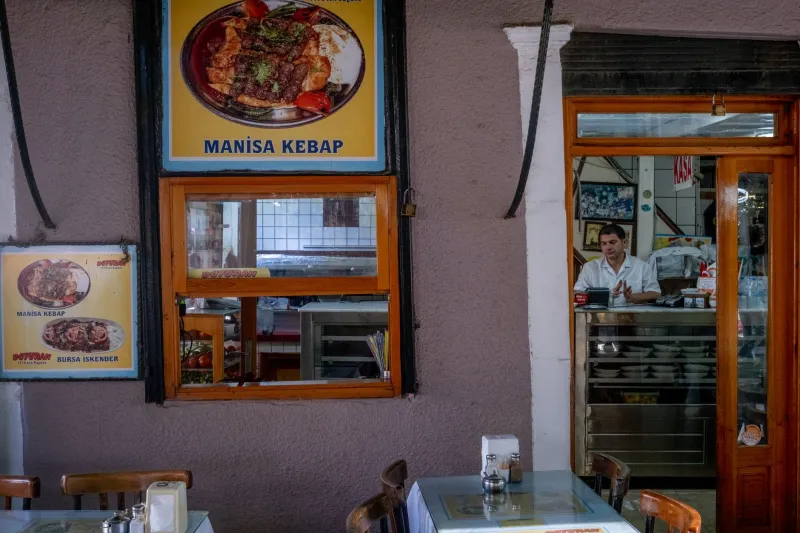
From Big Cities to Backroads: How Turkish Kebab Is Quietly Taking Over Small-Town America
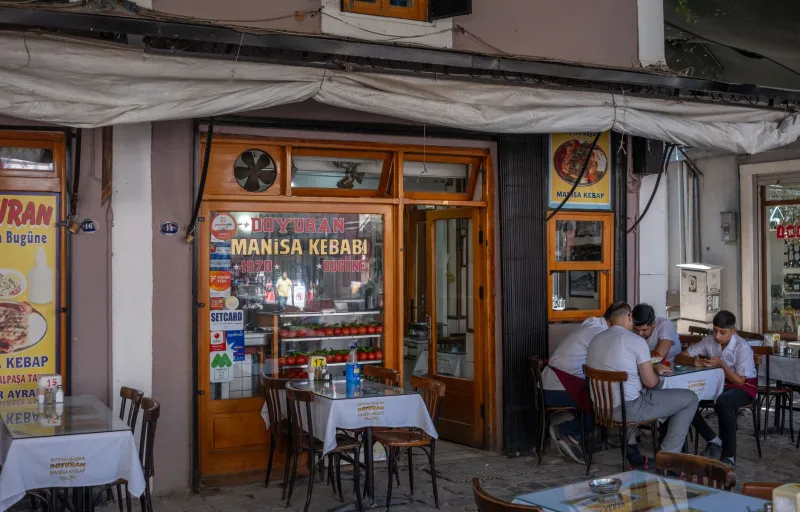
Not long ago, if you wanted a proper döner or a charcoal-kissed Adana kebab, you had two options: book a flight to Istanbul or drive an hour into the nearest major metro. That's changing — fast. Across the country, Turkish kebab spots are popping up in places that food trend-watchers might not have predicted: mid-sized Ohio cities, suburban Georgia strip malls, small college towns in the Pacific Northwest. Something is happening out here beyond the culinary bubble of New York and Los Angeles, and it smells absolutely incredible.
Here at Taki's Kebab House, we've watched this shift with a mix of professional pride and genuine excitement. Turkish cuisine — our cuisine — is having a moment that goes way beyond trend cycles. It's becoming part of the American neighborhood fabric. So what's actually driving this expansion, and what does it mean for the way communities eat?
The Suburbs Are Hungry for Something Different
For years, suburban dining meant chain restaurants and the occasional independent pizza joint. But American palates have quietly grown more adventurous. A generation raised on food travel shows, social media cooking videos, and increasingly diverse school cafeterias is now settling down in the suburbs — and they're bringing their appetites with them.
Turkish food fits neatly into this appetite shift. It's bold without being alienating, familiar in some ways (think grilled meat, fresh vegetables, warm bread) while still offering something genuinely new. Dishes like şiş kebab and lahmacun don't require a lengthy explanation to a first-time diner, but they deliver a depth of flavor that keeps people coming back and talking.
Restaurant consultants who track independent dining growth have noted that cuisines with strong "shareable" and "customizable" qualities tend to perform especially well outside major metros. Turkish kebab checks both boxes. You can build a plate, share a platter, go heavy on the mezze or light on the protein — it's inherently flexible, and flexibility sells in communities where you're feeding families with wildly different preferences.
Entrepreneurs Are Reading the Map Differently
The restaurant owners leading this charge aren't stumbling into smaller markets by accident. Many are making deliberate, research-backed decisions to skip the oversaturated urban corridors and plant flags where competition is lighter and community loyalty runs deeper.
Take the pattern emerging in mid-sized university towns. These communities tend to have a built-in base of curious eaters — students, faculty, international residents — combined with lower real estate overhead than a major city. For a Turkish kebab entrepreneur working with a modest startup budget, that math is compelling. Open in a college town, build a loyal following, and you've got a sustainable business without the brutal margins of a downtown location in a major metro.
Other owners are following demographic shifts. As immigrant communities spread beyond traditional gateway cities, they're creating demand for the flavors of home in new places. A Turkish family settling in suburban Tennessee or central Florida isn't just a potential customer — they might also be the person who eventually opens the restaurant that serves their neighbors.
Adapting Without Compromising
Here's where it gets interesting — and occasionally controversial among purists. As Turkish kebab restaurants expand into more diverse regional markets, owners are making thoughtful tweaks to connect with local tastes. That doesn't mean slapping ranch dressing on a döner wrap (please, no). It means understanding the community you're feeding and finding honest points of connection.
In the American South, some kebab spots are leaning into the region's deep love of smoke and char, highlighting the open-fire cooking methods that are central to Turkish grilling tradition anyway. In the Midwest, where hearty portions carry cultural weight, larger plate presentations and robust rice pilaf sides have resonated strongly. On the West Coast, the emphasis on fresh herbs, seasonal vegetables, and lighter preparations aligns naturally with how Turkish cuisine already operates at its best.
The smartest operators aren't compromising their culinary identity — they're finding the places where Turkish food and local food culture already speak the same language. That's not fusion. That's just good hospitality.
The Role of Social Media in Spreading the Word
It would be naive to discuss this expansion without acknowledging the role platforms like TikTok and Instagram have played. A perfectly assembled dürüm wrap, filmed with the right lighting and a satisfying pull-apart moment, can rack up hundreds of thousands of views overnight. For a small kebab restaurant in a mid-sized city, that kind of organic visibility was simply impossible a decade ago.
Food content creators — both professional and amateur — have developed a genuine obsession with Turkish cuisine. The visual drama of a spinning döner cone, the theatrical flame of an Iskender kebab being prepared tableside, the vivid colors of a mezze spread — it all performs exceptionally well on visual platforms. Restaurants that might have taken years to build a local reputation are now drawing customers from two counties over because someone's video went viral.
This social media momentum is also doing important educational work. Viewers who've never encountered Turkish food are learning the names of dishes, understanding the cultural context, and arriving at restaurants with genuine curiosity rather than hesitation. That's a remarkable shift in consumer behavior, and Turkish restaurant owners in smaller markets are benefiting directly.
What This Means for Your Neighborhood
If you haven't seen a Turkish kebab spot open near you yet, there's a reasonable chance you will soon. The economics are favorable, the cultural appetite is real, and the cuisine itself is built for exactly the kind of communal, casual dining that American neighborhoods tend to embrace when given the chance.
For communities that get a new kebab restaurant, the payoff goes beyond just having another dinner option. These establishments tend to become genuine gathering places — spots where the food is a conversation starter, where regulars become like family, and where a neighborhood gets a little more interesting and a little more connected.
At Taki's Kebab House, that's exactly the kind of place we've always tried to be. And honestly? We're thrilled to have more company. The more Turkish food finds its way into American neighborhoods, the more people discover what we've known all along: this cuisine is generous, welcoming, and absolutely worth the trip — no matter how far or how close you have to travel to find it.
So keep an eye on that empty storefront down the block. There's a good chance something delicious is coming.