Beyond the Food Cart: How Turkish Kebab Is Earning a Seat at America's Fine Dining Table
Not long ago, if you wanted a kebab in most American cities, your best bet was a late-night food cart, a strip-mall counter, or a gyro joint that sort of, kind of, almost got it right. The meat was decent. The pita was fine. But the experience? Pretty forgettable.
Fast forward to today, and something has genuinely shifted. Turkish kebab establishments — real ones, with heritage recipes and proper technique — are opening in neighborhoods where the competition is farm-to-table bistros and Michelin-watched tasting menus. And they're holding their own.
So what's driving the change? And what does it mean for how Americans think about Turkish food?
The Street Food Roots That Made It All Possible
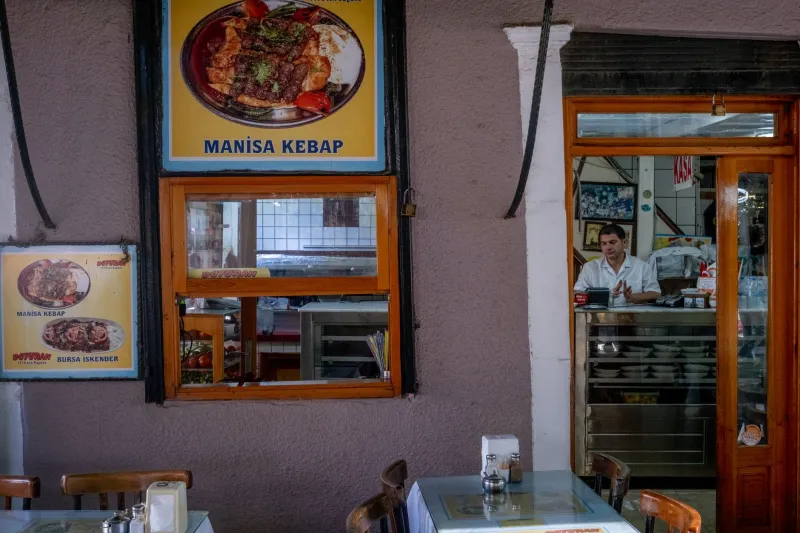
To understand where Turkish kebab culture is going in America, you have to appreciate where it came from. In Turkey, kebab isn't just a dish — it's a culinary tradition built over centuries, with regional variations that could fill an entire food encyclopedia. Adana kebab from the south is spiced and fiery. İskender from Bursa arrives drenched in tomato butter and yogurt. Şiş is the elegant, skewered cousin that lets the quality of the meat speak for itself.
When Turkish immigrants brought these traditions to the US, the food truck and casual counter model made practical sense. Low overhead, fast service, and an accessible price point helped introduce American eaters to flavors they'd never encountered before. It was a smart entry point — and it worked.
But it also set a ceiling on how the cuisine was perceived. For a lot of diners, kebab became synonymous with "cheap and quick" rather than "complex and worth savoring."
A New Generation of Turkish Restaurant Owners Is Pushing Back
That perception is exactly what a growing number of Turkish-American restaurateurs are working to dismantle. Across cities like Chicago, Houston, and Washington D.C., newer establishments are investing in full dining rooms, curated wine and raki lists, and front-of-house teams trained to walk guests through the nuances of a regional Turkish menu.
The shift isn't about abandoning street food roots — it's about expanding the conversation around what Turkish cuisine can be in an American context.
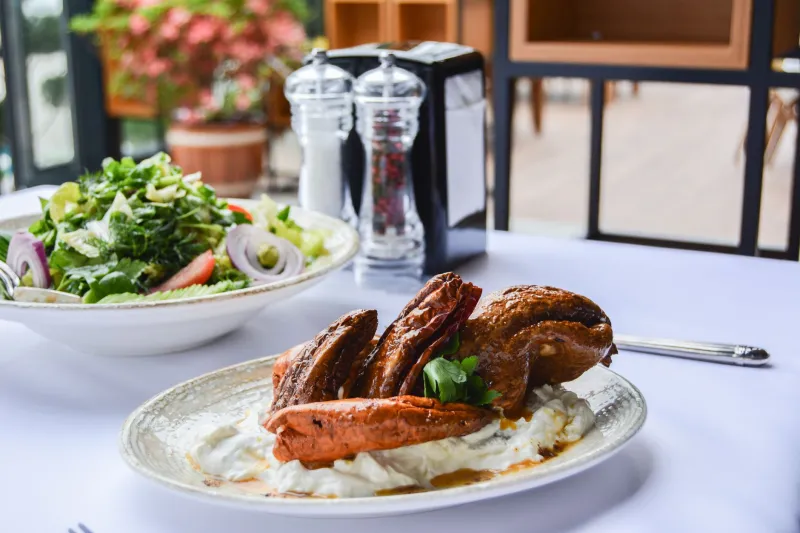
At spots like these, you're not just ordering a kebab plate and eating it standing up. You're sitting down to a meal that might start with a spread of mezes — smoky eggplant, creamy haydari, fresh-baked pide — before moving to a carefully grilled main course. The kebab is still the star, but it's surrounded by a full cast.
Restaurant owners who've made this transition often point to a simple observation: American diners are ready for it. The explosion of interest in global cuisines over the last decade, fueled by food media, travel culture, and a more diverse restaurant landscape overall, has primed a broad audience to approach unfamiliar menus with curiosity rather than hesitation.
The Palate Shift Is Real — and It's Accelerating
Food trend analysts have been tracking a steady move among American consumers toward what's often called "bold and global" flavor profiles. Dishes built on char, smoke, acid, and layered spice — think Korean BBQ, Peruvian ceviche, West African stews — have moved from niche to mainstream over a remarkably short span of time.
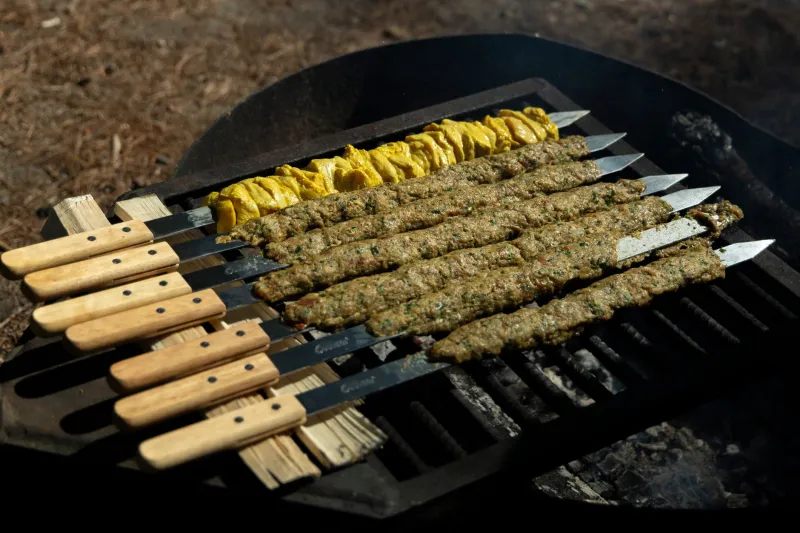
Turkish kebab fits squarely into that momentum. The char from a proper mangal grill, the warmth of Aleppo pepper and sumac, the brightness of fresh herbs and lemon — these are flavors that reward attention. And increasingly, American diners are paying attention.
It helps that Turkish cuisine doesn't have a steep learning curve for most palates. The ingredients are familiar enough — lamb, chicken, beef, vegetables — but the preparation and spicing offer genuine discovery. It's adventurous without being alienating, which is a sweet spot that's hard to hit.
What "Authentic" Actually Means in This Context
One of the more interesting conversations happening inside the Turkish restaurant community right now is about authenticity — and how much it matters when you're cooking for an American audience in an American city.
The honest answer is nuanced. Strict authenticity in a traditional sense isn't always possible or even desirable when ingredients, climate, and customer expectations differ from Istanbul or Gaziantep. But the spirit of authenticity — using real technique, quality meat, proper spice blends, and an understanding of why the dish is built the way it is — absolutely translates.
The best Turkish kebab restaurants in the US aren't trying to recreate a specific moment in a specific Turkish city. They're bringing genuine knowledge and care to their kitchens and letting the food make the case for itself.
Here at Taki's Kebab House, that philosophy is baked into everything we do. Whether you're grabbing lunch at the counter or settling in for a full dinner with friends, the commitment to doing it right doesn't change.
The Road Ahead
The trajectory for Turkish dining in America looks genuinely promising. As more establishments invest in elevated experiences, and as more diners discover what Turkish cuisine is actually capable of, the category is likely to keep growing — both in visibility and in ambition.
Food trucks and casual counters will always have a place. There's real joy in a perfectly wrapped doner eaten on the go. But the idea that kebab can only live in that format? That ceiling is coming down, one beautifully grilled skewer at a time.
If you haven't explored what Turkish dining looks like beyond the cart, now is a genuinely great time to start. The food is ready for you. The question is whether you're ready for the food.