Fire Up the Grill: Your First-Timer's Playbook for a Turkish Kebab Night at Home
There's something almost magical about a properly grilled kebab — the char on the edges, the juicy interior, the way the spices bloom in the heat. If you've ever eaten at a Turkish restaurant and thought "I want to make this at home," you're not alone. And the good news is that you absolutely can get close.
Close, though, is the operative word. Restaurant-quality kebab involves professional equipment, years of technique, and sourcing relationships that most home cooks don't have access to. But "close" is still really, really good — and with the right approach, a DIY Turkish kebab night can become one of the best dinner party moves in your rotation.
Here's how to do it.
Start With the Right Meat
This is the single most important decision you'll make. Turkish kebab isn't a dump-anything-on-a-skewer situation. The cut matters, the fat content matters, and the freshness matters.
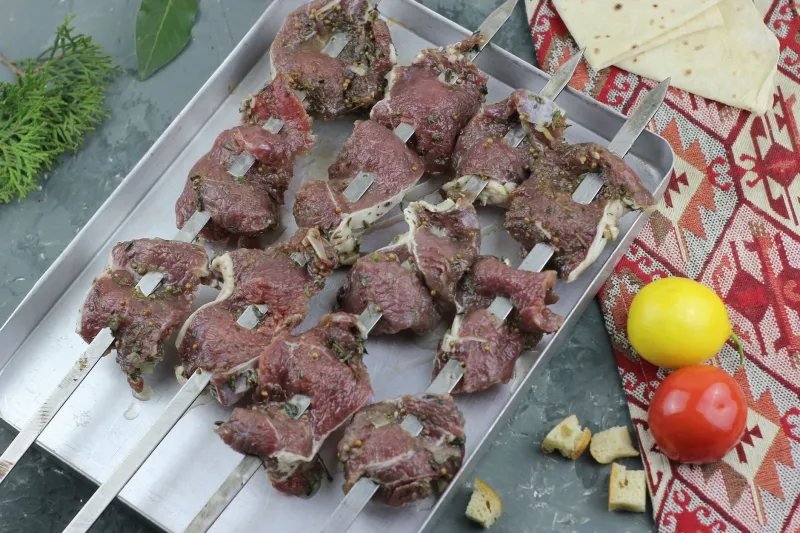
For lamb: Go for ground lamb with a decent fat percentage (around 20%) for Adana-style kebab, or ask your butcher for leg of lamb cut into chunks for şiş. Lamb shoulder also works beautifully — it has enough marbling to stay juicy over high heat.
For beef: Chuck or sirloin are solid choices. Avoid anything too lean, because fat is what keeps the meat from drying out on the grill. Ground beef mixed with a little lamb fat (if your butcher carries it) is a great option for kofta-style kebabs.
For chicken: Thighs over breasts, every time. Chicken breast dries out fast at high heat. Bone-in thighs work if you have time; boneless thighs are easier to skewer and still deliver great flavor.
Wherever possible, buy from a butcher rather than a supermarket. The quality difference in fresh, properly handled meat is immediately noticeable when you're cooking at high heat.
Building a Marinade That Actually Does Something
A good Turkish marinade isn't complicated, but it is specific. Forget soy sauce and Worcestershire — those belong to a different culinary tradition. Turkish marinades lean on a handful of key players:
- Olive oil — the base, helps carry fat-soluble flavors into the meat
- Onion — grated raw onion (not chopped) releases enzymes that tenderize and add sweetness
- Garlic — use it, but don't overdo it
- Aleppo pepper — fruity, mildly spicy, and completely essential
- Cumin — earthy and warm
- Sumac — adds a bright, lemony tang without liquid
- Fresh herbs — flat-leaf parsley is classic; mint works well with lamb
- Salt — add it right before grilling, not during the marinade process, or it'll draw out moisture
Combine these, coat your meat thoroughly, and let it sit. For chunks of meat, four hours in the fridge is a minimum; overnight is better. For ground meat kebabs, you actually don't want to marinate the mixture — instead, mix your spices directly into the meat and let it rest for an hour before shaping.
Skewers, Setup, and the Grill Situation
If you're using wooden skewers, soak them in water for at least 30 minutes before loading them up. Metal skewers are honestly better for home use — they conduct heat into the center of the meat and don't risk burning.
For the grill itself, charcoal is the traditional choice and gives you the closest approximation of a proper mangal. The smoke and direct heat create a char that gas grills struggle to replicate. That said, a gas grill cranked to high heat will still produce a solid result — don't let the perfect be the enemy of the good.
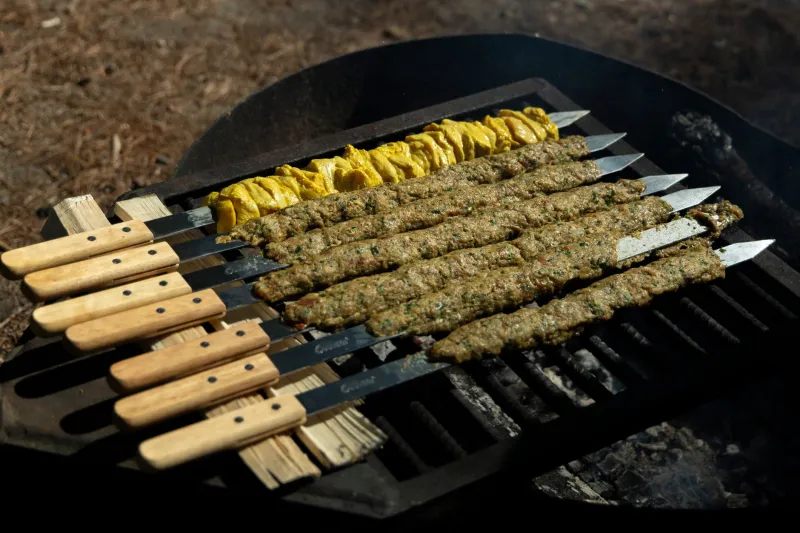
Get the grill as hot as it can go before the meat goes on. You want sear, not steam. Lay the skewers across the grates and resist the urge to constantly move them — let them develop color before turning. Most kebabs need about 3-4 minutes per side, depending on thickness.
Setting Up the Full Spread
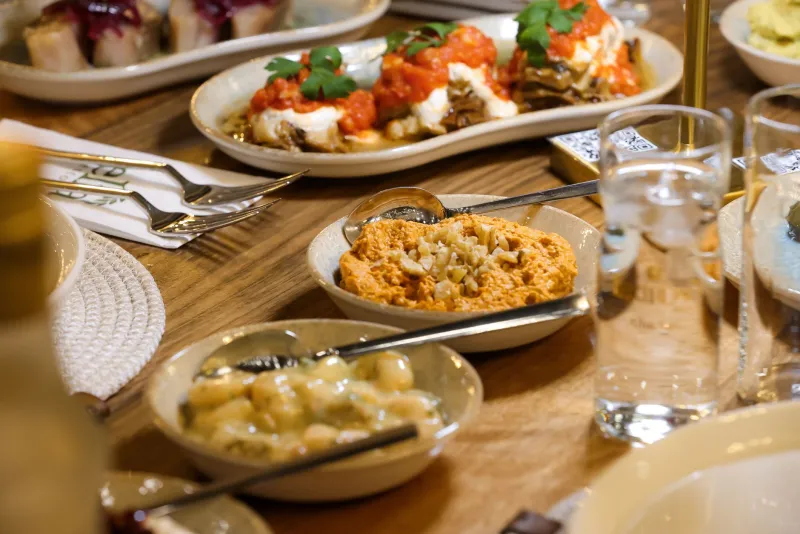
Here's where a DIY kebab night goes from dinner to event. The meat is the centerpiece, but Turkish dining is really about the whole table.
Easy additions to round out the spread:
- Warm flatbread or store-bought pide
- A simple cucumber-tomato salad with olive oil and sumac
- Store-bought hummus dressed up with olive oil and paprika
- Sliced raw onion tossed with sumac and parsley (a classic Turkish accompaniment)
- Whole-milk plain yogurt seasoned with garlic and a little dried mint
- Roasted peppers and tomatoes thrown on the grill alongside the meat
Set everything out family-style so guests can build their own plates. That communal, pass-it-around energy is a big part of what makes Turkish dining feel special.
Where Home Cooking Hits Its Limits
Here's the honest part: even a great home effort is going to fall short of what a skilled Turkish kitchen produces, and that's okay to acknowledge.
Professional kebab chefs work with equipment — particularly the mangal grill — that generates a specific kind of radiant heat you simply can't replicate on a standard backyard setup. They've also spent years developing a feel for the meat: how to pack ground kebab onto a flat skewer so it holds without binders, how to read doneness by touch, how to manage the fire across a full service.
That gap is part of what makes going out to a place like Taki's Kebab House worth doing regularly, even if you've gotten pretty good at the home version. There are textures and flavors that only come from that level of expertise and equipment.
But your home version? It's going to be delicious. And it's going to make you appreciate the restaurant version even more.
The Real Win
DIY Turkish kebab night isn't about replacing the restaurant experience — it's about deepening your connection to the food. When you've sourced the lamb yourself, built the marinade from scratch, and stood over a hot grill turning skewers, you start to understand what goes into every plate.
That understanding makes every bite better, whether it's at your own backyard table or across from a plate at your favorite Turkish spot.