Doner, Şiş, Adana: Your No-Nonsense Guide to Ordering Kebab Like You've Done It a Hundred Times
You've walked into a Turkish kebab restaurant. The menu is in front of you. There are words on it that you're not entirely sure how to pronounce, and the server is heading your way. Do you panic and point at a photo? Ask for "whatever's most popular"? Order something you recognize just to play it safe?
None of the above. Because after reading this, you're going to know exactly what you want — and maybe even impress yourself a little.
Here's your complete, zero-judgment guide to navigating a Turkish kebab menu like someone who actually knows what they're doing.
Start With the Big Picture: What Even Is a Kebab?
In the US, "kebab" often conjures one specific image — meat on a stick. And while that's not wrong, it's like describing pizza as "bread with stuff on it." Technically accurate, wildly incomplete.
In Turkish cuisine, kebab (or kebap, as it's often spelled in Turkish) is a broad category that covers a huge range of preparations: grilled meat on skewers, meat cooked on a rotating spit, minced meat shaped around flat skewers, and slow-cooked regional specialties that barely resemble what most Americans picture. The cooking method, the cut of meat, the spices, and even the region of Turkey it comes from can all affect what ends up on your plate.
Think of it less like a single dish and more like a cooking tradition with dozens of distinct expressions.
The Styles You'll See Most Often
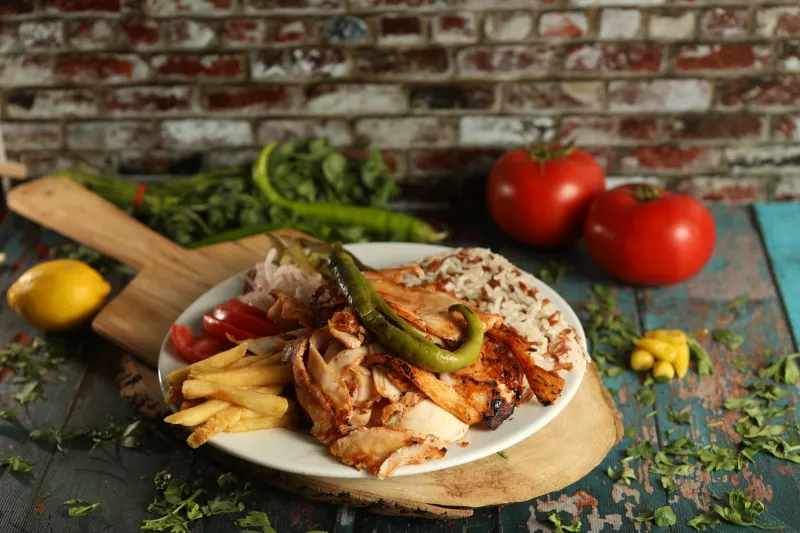
Doner Kebab This is the one you've probably encountered before, even if you didn't know what to call it. Doner is meat — usually lamb, beef, or a blend — stacked and compressed onto a large vertical spit that rotates slowly next to a heat source. As the outside cooks, it's shaved off in thin layers and served in bread, on a plate over rice, or with salad.
Doner is the workhorse of the kebab world. It's fast, satisfying, and incredibly flavorful because all those layers of meat baste each other as they cook. If you're new to Turkish food and want a reliable entry point, doner is a great place to start.
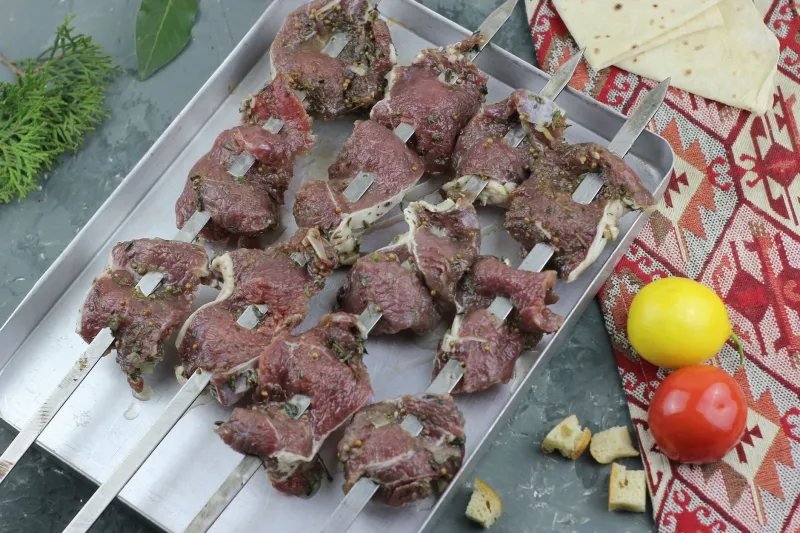
Şiş Kebab (pronounced roughly "shish") This is the classic skewer situation — chunks of marinated meat threaded onto a metal or wooden skewer and grilled over charcoal or an open flame. Lamb şiş is probably the most traditional, but you'll also find chicken (tavuk şiş) and beef versions.
What sets a good şiş apart is the marinade and the fire. The meat should be tender enough to fall off the skewer with minimal effort, with charred edges and a smoky depth that you just can't replicate in a pan. At Taki's, the şiş is grilled to order — worth the wait.
Adana Kebab If you like things a little spicy and a little bold, Adana is your move. Named after the city of Adana in southern Turkey, this style uses hand-minced lamb mixed with red pepper flakes and other spices, then shaped around a wide, flat skewer and grilled. The result is a long, slightly irregular cylinder of intensely flavored meat with a kick that builds as you eat.
Adana is often served alongside grilled tomatoes, peppers, flatbread, and a simple salad. It's a complete meal and one of the most satisfying things on any Turkish menu.
Urfa Kebab Urfa is Adana's mellower cousin. Same general technique — minced lamb on a flat skewer — but made with Urfa pepper instead of hot red pepper. Urfa pepper has a deep, smoky, almost chocolatey flavor with only mild heat. If you want that rich, complex spice experience without the fire, go Urfa.
Çağ Kebab (pronounced roughly "chah") This one's a bit rarer on menus outside of Turkey, but if you see it, pay attention. Çağ kebab comes from northeastern Turkey and involves horizontally spit-roasted lamb that's sliced thin and served on small skewers or in bread. The flavor is clean and distinctive — lamb-forward without being gamey, with a slight crispness on the edges.
Beyti Kebab Beyti is minced lamb or beef wrapped in lavash (thin flatbread) and grilled, then sliced into rounds and served with tomato sauce and yogurt. It looks almost like a savory roulade. If you want something that feels a little more composed and substantial, Beyti delivers.
How to Customize Without Being That Person
Good news: Turkish restaurants are generally very accommodating about modifications. Here's how to ask for what you want without making things complicated:
- Spice level: If you see Adana on the menu and you're heat-sensitive, just ask. Most places can adjust, or they'll point you toward a milder option like Urfa.
- Protein swaps: Chicken is almost always available as a substitute in şiş-style preparations. Lamb is traditional, but don't feel obligated.
- Bread vs. plate: Many kebab dishes can be served either over rice and salad or wrapped in flatbread. Ask which format the kitchen recommends for a specific dish — they'll have a preference.
- Vegetarian options: Turkish cuisine has excellent vegetable dishes. Grilled veggie skewers, stuffed peppers, and eggplant preparations are common and genuinely delicious, not afterthoughts.
The Sides and Starters Worth Knowing
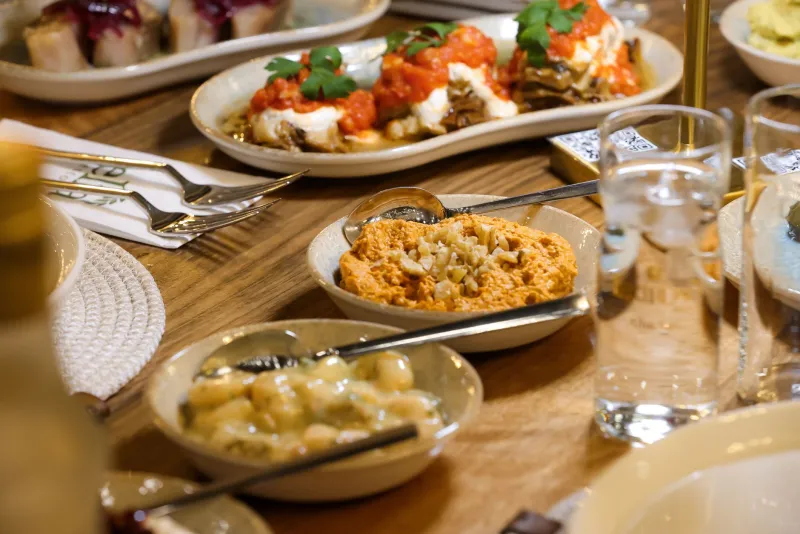
Don't sleep on the mezze. Before your kebab arrives, consider ordering:
- Hummus — you know this one, but Turkish-style can be different: silkier, with more lemon
- Cacık — yogurt with cucumber and mint, essentially Turkish tzatziki, great for cooling down spicy bites
- Patlıcan salatası — smoky roasted eggplant salad
- Sigara böreği — crispy fried pastry rolls filled with cheese or meat
These aren't just appetizers — they're part of the full experience. A table full of small plates before the main event is how Turkish meals are meant to unfold.
A Word on Bread
Flatbread at a Turkish restaurant is not a filler. It's a utensil, a vehicle, a co-star. Use it to scoop up dips, wrap around pieces of kebab, soak up the juices on your plate. Never leave bread behind.
The Move Nobody Tells You About
If you're unsure where to start, just tell your server what you like — spicy or mild, lamb or chicken, something light or something hearty — and let them guide you. Turkish hospitality culture means the staff genuinely want you to enjoy your meal. They're not trying to upsell you; they're trying to make sure you leave happy.
And honestly? That's the best ordering strategy of all.