Once a Regular, Always a Regular: The Secret Behind Turkish Restaurants' Unbreakable Customer Bonds
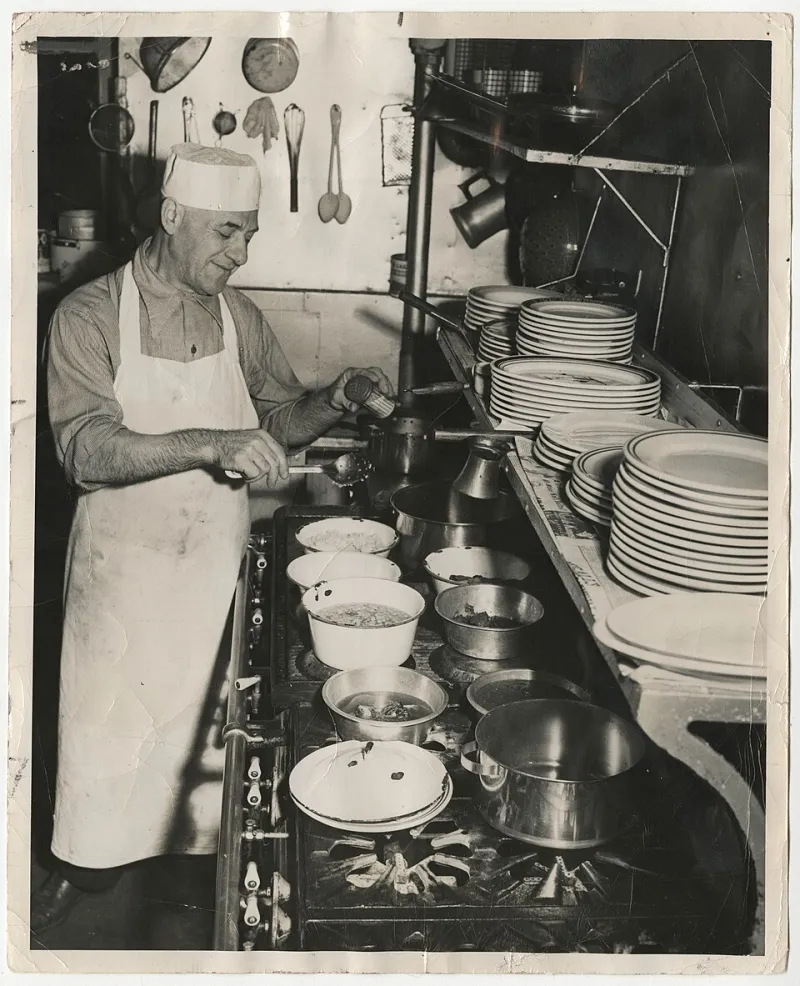
Photo: Seattle Times, No restrictions, via Wikimedia Commons
The First Visit That Changes Everything
Most people stumble into a Turkish kebab house by accident. Maybe a coworker recommended it, maybe they walked past the window and caught a whiff of charcoal and cumin, or maybe they were just tired of the same lunch rotation. Whatever brought them through the door, something unexpected tends to happen: they don't just like the food. They feel genuinely welcomed.
That first impression is no accident. Turkish hospitality — what locals back home call misafirperverlik — is practically a cultural institution. Guests aren't just customers; they're treated more like people who showed up at someone's home for dinner. That warmth gets baked into the experience at family-run spots like Taki's Kebab House, and it's one of the biggest reasons so many first-timers become regulars before they've even finished their second visit.
It Starts With the Staff Knowing Your Name
Ask any devoted regular at a Turkish restaurant what keeps them coming back, and the answer almost never starts with the food. It usually starts with a person.
"The owner remembered my order the second time I came in," said one longtime customer of a family-run kebab spot in the Midwest. "I hadn't even sat down yet. That kind of thing sticks with you."
This isn't a coincidence or a customer service training module — it's a reflection of how Turkish culture approaches hospitality at a foundational level. Family-run establishments tend to have lower staff turnover than chain restaurants, which means the same faces greet you month after month. Over time, that consistency builds something that no loyalty app can replicate: actual familiarity.
At Taki's, the front-of-house philosophy has always leaned into this. When you've been in a few times, the staff starts to know your preferences. More spice, less onion, extra flatbread on the side. These small acknowledgments send a signal that you're not just another ticket — you're someone they've noticed.
Consistency Is Its Own Kind of Promise
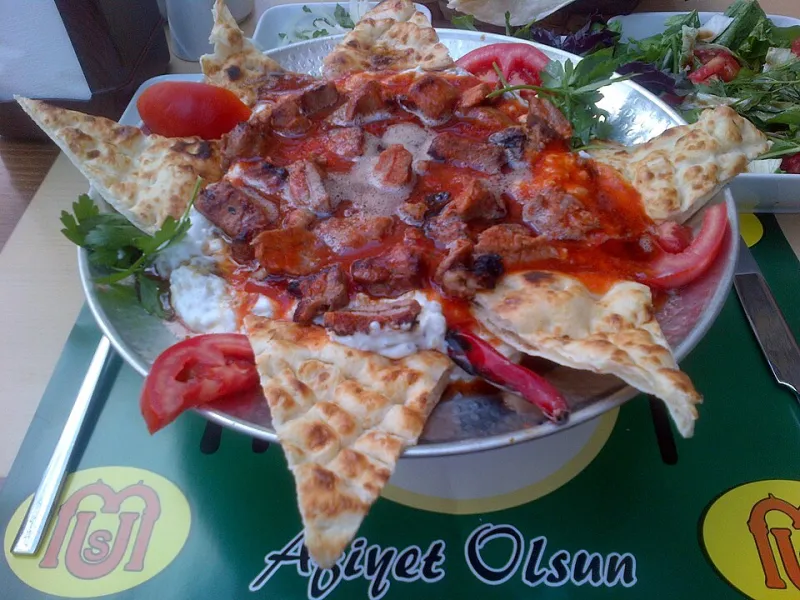
Loyalty in dining is built on trust, and trust is built on one thing: knowing what you're going to get. Turkish kebab restaurants have a quiet advantage here. The core menu — doner, Adana, şiş, lamb chops — doesn't chase trends. It doesn't reinvent itself every season. It just keeps delivering.
For American diners who've grown weary of restaurants that feel like they're constantly auditioning for a magazine feature, that kind of reliability is genuinely refreshing. You know the Adana is going to be smoky and hand-formed and served with the same charred pepper it always comes with. That predictability isn't boring — it's the whole point.
Restaurant operators in the Turkish dining space often talk about this in terms of craft rather than formula. The recipes are consistent because they've been refined over years, sometimes passed down through families. When something works, you don't mess with it. Diners pick up on that commitment, even if they can't quite articulate it.
The Table Is Always Set for Conversation
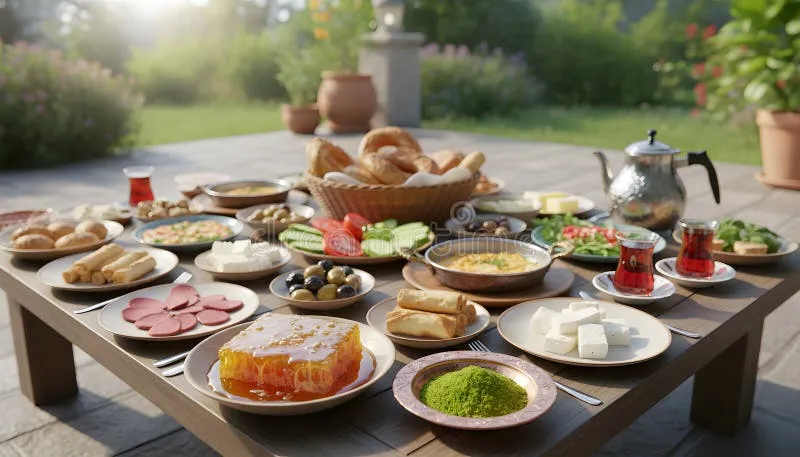
There's a social dimension to Turkish dining that doesn't get enough credit. The food is designed for sharing — mezes arrive in clusters, bread comes in baskets meant to be torn apart together, and the pacing of a real Turkish meal encourages you to slow down and actually talk to the people across from you.
For American diners who are used to eating quickly or in near-silence, this can feel almost revelatory. The restaurant becomes a place where something actually happens — not just a fueling stop.
Group tables at Turkish spots tend to linger. And when people linger, they come back. The restaurant starts to feel less like a business and more like a place with a personality, a spot that holds memories. That's a different category of loyalty than "I have enough points for a free appetizer."
Small Gestures That Land Big
One of the most underrated tools in the Turkish restaurant loyalty playbook is the complimentary gesture. A small cup of tea at the end of a meal. A piece of baklava that just appears. A little dish of olives while you're waiting.
These aren't calculated upsells. They're expressions of generosity that reflect something genuine about the culture. In Turkey, sending a guest away without offering something extra would feel almost rude. That instinct translates beautifully in the American context, where diners are so accustomed to being nickel-and-dimed that an unexpected gift lands with outsized emotional weight.
"They brought out Turkish tea after our meal and didn't charge us," one customer recalled. "I've eaten at $200-a-head places that didn't make me feel as taken care of."
Those moments are what people tell their friends about. And word-of-mouth from a genuinely delighted customer is worth more than any paid campaign.
Why Chain Restaurants Can't Replicate This
It's worth asking: why don't bigger restaurant groups just copy this playbook? The honest answer is that most of what makes Turkish hospitality work can't be systematized. It comes from ownership that's present, staff that sticks around, and a cultural framework that treats the guest's comfort as genuinely important — not as a metric to be optimized.
Chain restaurants can train servers to smile and offer dessert menus. They can't train someone to actually care whether you had a good day. That distinction is subtle but diners feel it immediately.
Family-run Turkish establishments like Taki's operate from a different set of incentives. The owner's name is often on the door, literally or figuratively. Reputation isn't just good business — it's personal. That accountability shapes every interaction in ways that corporate dining structures simply can't replicate at scale.
The Regulars Become Part of the Story
Something interesting happens when a customer becomes a true regular at a place like Taki's. They stop being just a patron and start becoming part of the fabric of the restaurant itself. They bring friends. They celebrate birthdays there. They show up during slow Tuesday lunches and become familiar faces to the kitchen staff.
In return, they get something that's genuinely hard to put a price on: a place that feels like theirs. A table where they're known. A meal that's consistent enough to be comforting and good enough to still feel like a treat.
That's the loyalty effect in action — not a points program, not a birthday discount, but a genuine two-way relationship built over dozens of meals and countless small moments of warmth.
If you haven't found your regular table yet, it might be time to stop in. Ours is always set.