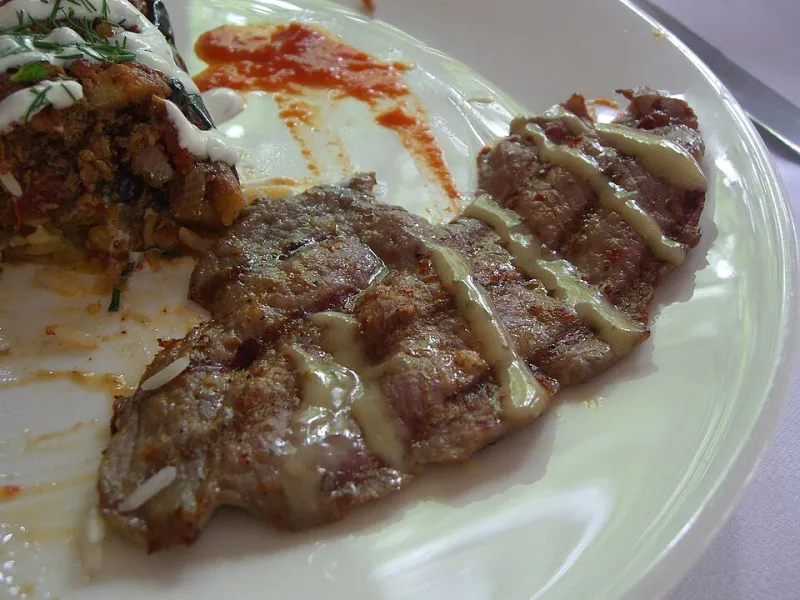
Why Turkish Kebab Restaurants Are Popping Up Everywhere — And Nobody's Surprised
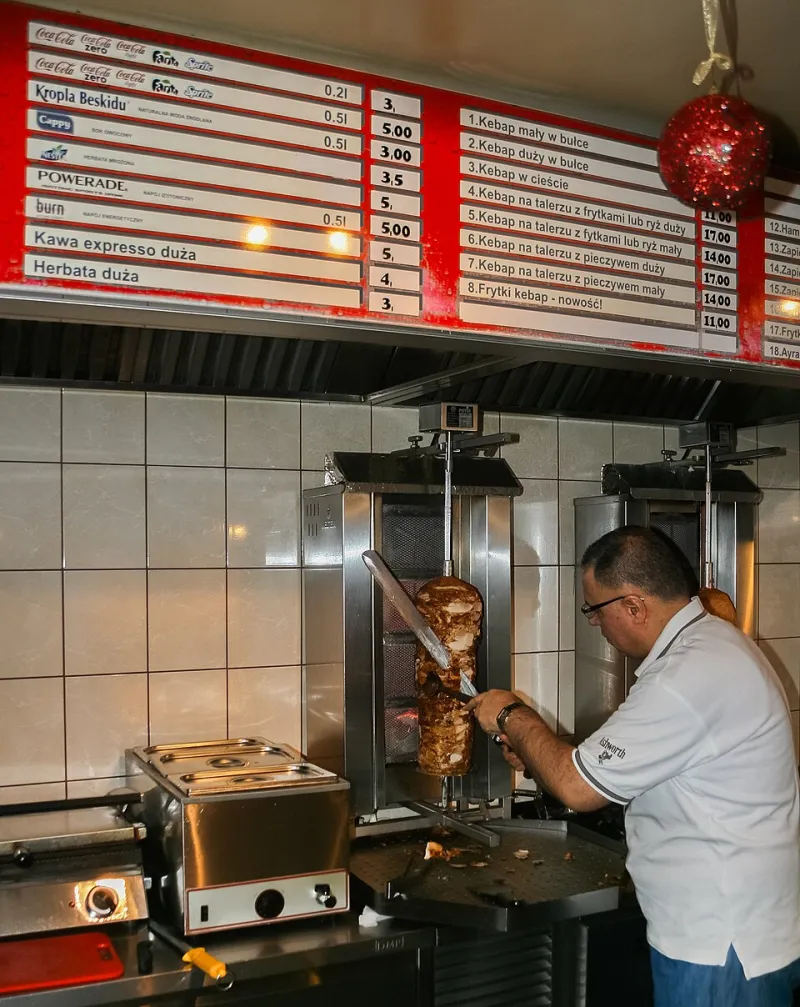
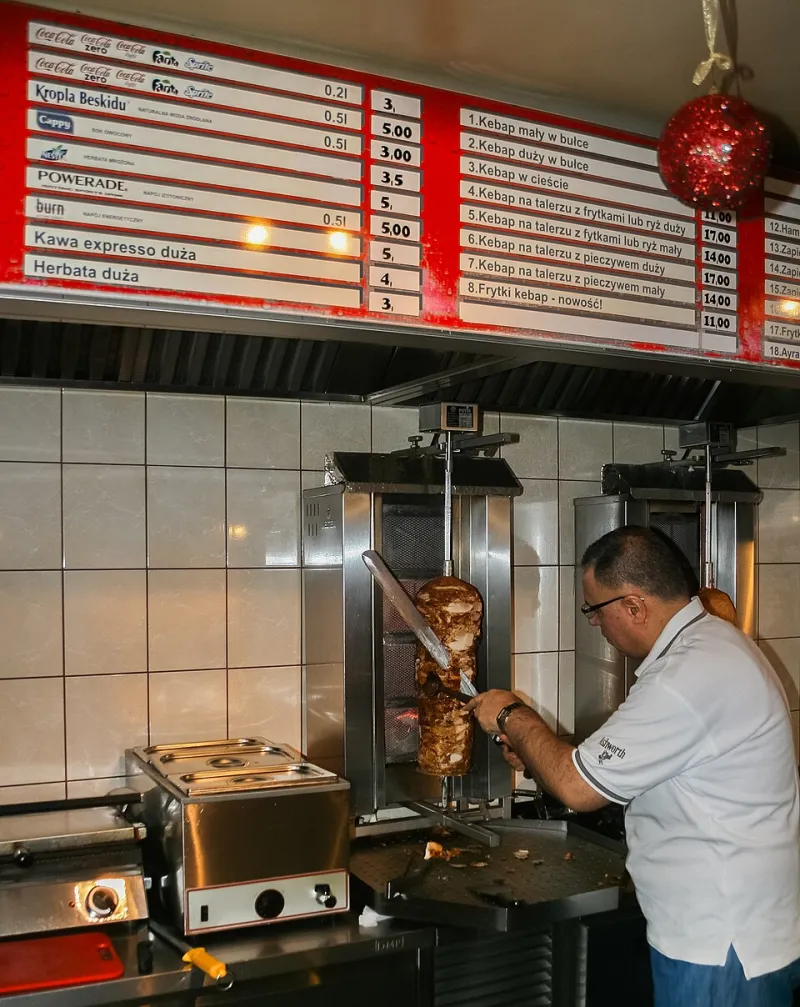
Photo: Diego Delso, CC BY-SA 3.0, via Wikimedia Commons
Drive through almost any American city right now — doesn't matter if it's Atlanta, Columbus, Phoenix, or a mid-size college town in the Midwest — and there's a decent chance you'll pass a Turkish kebab spot that wasn't there two years ago. Maybe it's tucked between a nail salon and a dry cleaner. Maybe it's anchoring a new food hall. Either way, it's there, and the line is probably out the door.
This isn't a fluke. Turkish cuisine is in the middle of what restaurant analysts are calling one of the fastest single-cuisine expansions the US food industry has seen in years. And unlike some food trends that explode overnight and vanish just as fast, this one has real structural legs under it.
The Numbers Don't Lie
According to restaurant industry tracking data, the number of Turkish and Turkish-adjacent kebab establishments in the United States grew by an estimated 34 percent between 2020 and 2024 — a stretch of time when the broader restaurant industry was fighting just to survive. While pandemic-era closures wiped out tens of thousands of dining spots nationwide, Turkish kebab houses were quietly multiplying.
Part of that resilience comes down to the format. Kebab restaurants tend to operate leaner than full-service sit-down spots. Lower labor overhead, streamlined menus built around a handful of high-margin proteins, and a natural fit for both dine-in and takeout made them pandemic-resistant in ways that, say, a white-tablecloth steakhouse simply couldn't be.
But survival mode doesn't explain growth. Something else is going on.
What Entrepreneurs Are Actually Seeing
Talk to the people actually opening these restaurants and a clear picture emerges: they're identifying gaps that other cuisines aren't filling.
Serkan Yilmaz opened his first kebab spot in suburban Nashville three years ago after spending a decade in the restaurant supply business. He watched neighborhood after neighborhood develop serious dining infrastructure — sushi, tacos, Thai, ramen — while Turkish food remained almost entirely absent outside major metros.
"I kept seeing the same thing," he says. "You'd have a neighborhood with disposable income, adventurous eaters, people who traveled and knew what good food was — and zero Turkish options. That's not a saturated market. That's an open door."
Yilmaz now operates three locations and is scouting a fourth. His customer base, he says, breaks down in a way he didn't entirely expect: about a third are Turkish or Middle Eastern diaspora customers looking for something close to home, a third are food-curious locals who tried kebab on a trip abroad, and the final third are people who just wandered in and got hooked.
That last group is the one driving expansion.
The Curiosity Economy
American diners have fundamentally changed their relationship with unfamiliar food over the past decade. Social media gets some of the credit — a single viral video of someone pulling apart a perfectly charred Adana kebab can send a restaurant's Google search volume through the roof overnight. But it goes deeper than that.
Consumer research consistently shows that younger American diners, particularly millennials and Gen Z, actively seek out cuisines they haven't tried before. They're not just tolerating new flavors; they're chasing them. Turkish food, with its dramatic presentation, fire-forward cooking techniques, and flavor profiles that feel familiar-but-not (think cumin and sumac instead of chili powder), hits a very specific sweet spot.
It's approachable enough that first-timers don't feel intimidated, but distinct enough that it feels like a genuine discovery. That combination is marketing gold, and it's largely organic.
Franchise Models Are Starting to Pay Attention
For years, Turkish kebab in America was almost exclusively an independent operator story. Family-run spots, single-location gems, places where the owner was also the head cook and the person who answered the phone. That's still the dominant model — and honestly, it's a big part of the appeal.
But franchise infrastructure is quietly developing around the edges. Several regional kebab chains have begun offering franchise opportunities in the last two years, targeting operators in cities where Turkish food has little to no existing presence. The pitch is straightforward: proven systems, supply chain relationships, and brand recognition in a category with minimal direct competition.
Industry observers note that this mirrors the early expansion phase of Mediterranean fast-casual chains like Cava and Zoe's Kitchen — both of which grew explosively by entering markets where the cuisine category was underdeveloped relative to consumer interest.
Whether Turkish kebab follows that same trajectory into full fast-casual territory remains to be seen. Many operators actively resist the model, arguing that the food loses something essential when it gets standardized at scale. But the financial logic is hard to ignore.
What's Actually on the Menu Matters
One underappreciated driver of this expansion is the menu itself. Turkish kebab menus are, by design, versatile. They accommodate dietary restrictions without requiring a complete overhaul — halal certification appeals to Muslim consumers, the heavy vegetable and grain components work for flexitarians, and the high-protein, low-carb profile of a straightforward şiş plate resonates with fitness-focused diners.
Restaurants that communicate this flexibility clearly tend to build diverse, loyal customer bases faster than those that don't. It's not about pandering to every dietary trend simultaneously — it's about recognizing that a well-constructed Turkish menu naturally covers a lot of ground.
At Taki's, we've watched this play out in real time. The same table will have someone going hard on the lamb döner, someone who came specifically for the lentil soup and the shepherd's salad, and someone who is methodically working their way through the entire menu one visit at a time. That range of use cases is genuinely rare in a single cuisine.
Where This Is All Headed
Restaurant industry forecasters are generally bullish on Turkish cuisine's continued US expansion, with the strongest growth expected in secondary and tertiary markets — the mid-size cities and suburban corridors that have been underserved for years.
The major metros will continue to develop, but the real story over the next five years is likely to be places like Boise, Chattanooga, Omaha, and Albuquerque. Cities with growing populations, rising disposable income, and dining scenes that are actively looking for the next thing.
Turkish kebab isn't the next thing anymore, though. In a lot of ways, it's already arrived. The question now is how deep the roots go — whether this expansion produces the kind of durable, community-embedded restaurant culture that Turkish food has built in cities like Berlin, London, and Melbourne over decades.
If the trajectory holds, and the operators currently opening their second and third locations have anything to say about it, the answer looks promising. The kebab house isn't a trend. It's becoming a fixture. And honestly? It's about time.