Steak Is Out, Skewers Are In: How Turkish Kebab Joints Are Winning the American Dining Dollar
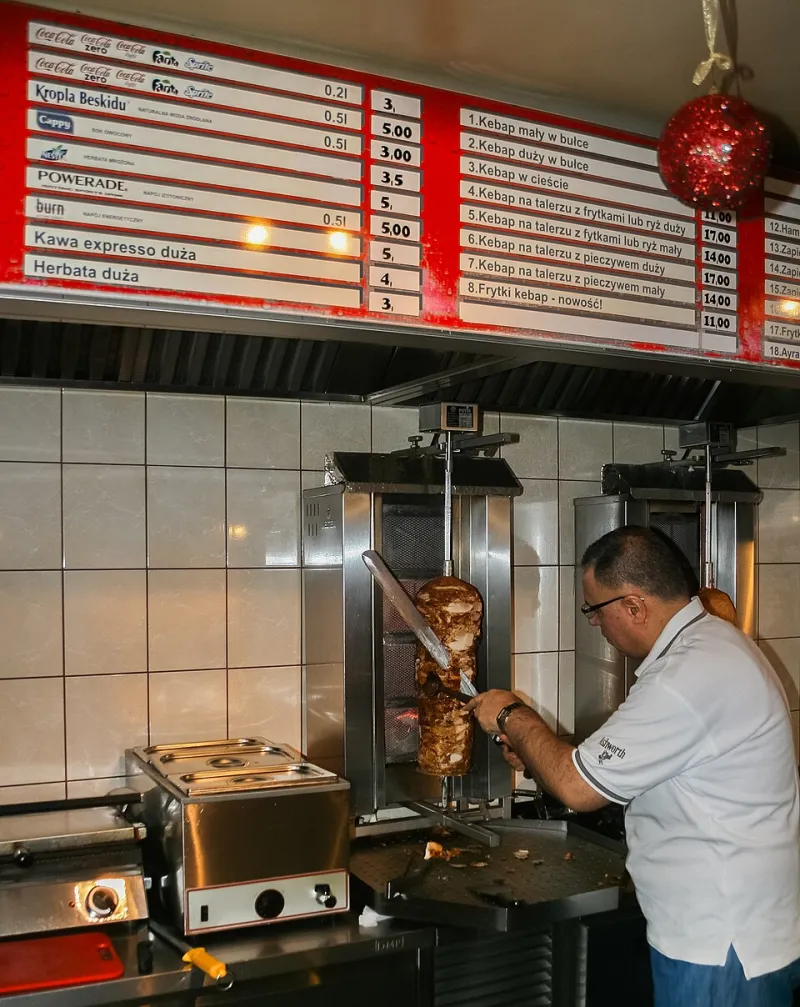
Photo: Diego Delso, CC BY-SA 3.0, via Wikimedia Commons
For decades, the American steakhouse was the gold standard of a special night out. White tablecloths, a sommelier hovering nearby, a bill that made you wince just a little — that was the deal, and most people were happy to make it. But something has shifted, quietly and then all at once, in cities from Atlanta to Seattle. Turkish kebab restaurants are filling up faster, turning tables more efficiently, and — maybe most tellingly — bringing customers back again and again in ways that traditional steakhouses simply aren't.
This isn't just a vibe. The numbers back it up.
What the Foot Traffic Data Actually Shows
Restaurant industry analysts have noticed a consistent pattern over the last few years: casual-to-mid-range eateries with a strong cultural identity and interactive menus are outpacing high-ticket, single-protein-focused dining rooms. Turkish kebab spots fall squarely into that sweet spot. They're not fast food, but they're not stuffy either. Customers can walk in without a reservation on a Tuesday night, get a table within minutes, and leave feeling like they had a genuinely memorable meal.
Steakhouses, by contrast, often require advance planning, carry higher price points, and offer an experience that — for a lot of younger diners especially — feels a little frozen in time. The formal, hushed atmosphere that once signaled luxury now reads more like a barrier to entry.
At Taki's Kebab House, we see this play out in real time. Weeknights are busy. Weekends are packed. And the mix of customers keeps getting more diverse — families, couples on dates, solo diners at the bar, work groups celebrating a project wrap. That kind of broad appeal is genuinely hard to manufacture, and steakhouses are struggling to replicate it.
The Price Psychology Behind the Shift
Here's something interesting: Turkish kebab restaurants often offer a better perceived value than steakhouses, even when the actual price gap isn't enormous. A well-marinated Adana kebab plate with rice, salad, and warm pita might run you $18–$24 depending on the city. A comparable cut of beef at a mid-tier steakhouse? You're easily looking at $40–$60 before you even think about sides.
But it's not just about cost. It's about what you feel like you're getting. When your food arrives at a Turkish restaurant, there's often a spread — sauces, pickled vegetables, fresh bread, maybe a yogurt dip. The table looks abundant. At a steakhouse, you get a beautifully seared piece of meat on a large white plate, and sides are extra. For a lot of diners, the Turkish experience just feels more generous, even if the math works out differently than you'd expect.
Psychologists who study consumer behavior call this "transaction utility" — the sense that you got a good deal relative to what you expected. Turkish restaurants tend to score high here almost by default, because the food culture they draw from is inherently communal and giving.
Customization Is the New Luxury
One of the biggest shifts in American dining over the past decade is the move toward meals that feel personal. People want to choose their protein, their spice level, their toppings. They want to feel like the meal was made for them, not just plated and delivered.
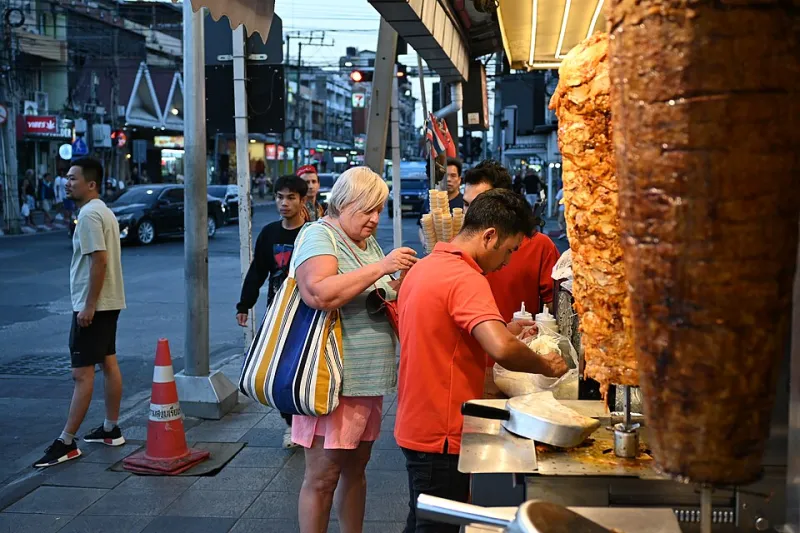
Turkish kebab menus are almost perfectly designed for this moment. You've got doner, şiş, Adana, köfte — each with its own flavor profile, each prepared with a different technique. You can mix and match, ask for things on the side, build your own plate. And because the cooking happens on open grills and vertical spits that are often visible from the dining room, there's a theatrical quality to the experience that makes customization feel even more satisfying. You're not just ordering — you're watching your food come to life.
Compare that to a steakhouse, where the menu is essentially a list of cuts and temperatures. There's craft there, no question. But the range of choice is narrower, and the experience is more passive.
Loyalty That Actually Means Something
Restaurant operators know that the real money isn't in first-time customers — it's in the ones who come back. And Turkish kebab restaurants tend to build loyalty fast, for a few reasons.
First, the food is genuinely craveable. The combination of charred meat, warm spices, fresh herbs, and tangy accompaniments hits a lot of different flavor notes at once. It's satisfying without being heavy in the way that a 16-ounce ribeye can be. People leave feeling good, not wrecked, which makes them more likely to return soon.
Second, there's a social stickiness to the experience. Turkish dining culture is built around sharing and lingering, and good Turkish restaurants in America carry that energy. When you have a great meal somewhere that also felt fun, you want to bring people back with you. Word-of-mouth from that kind of experience is worth more than any advertising budget.
At Taki's, we've watched customers become regulars within two or three visits. They start knowing what they want before they sit down. They bring their parents, then their coworkers, then their kids' soccer teams. That compounding loyalty is something steakhouses — with their more occasion-specific positioning — find much harder to generate.
The Cultural Timing Couldn't Be Better
American diners are more curious about global food traditions than they've ever been. Cooking shows, food travel content, and social media have all expanded what people are willing to try and what they expect from a restaurant. Turkish cuisine, with its deep history and genuinely complex flavor profiles, lands well in this environment.
There's also something worth noting about the cultural moment we're in around food ethics. Turkish kebab is built on quality protein, fresh vegetables, and cooking techniques that don't rely heavily on heavy sauces or processed shortcuts. That transparency — you can see the meat on the spit, you know what's in the marinade — resonates with diners who care about what they're putting in their bodies.
Steakhouses aren't going anywhere. The best ones will always have a place in American dining culture. But the center of gravity is shifting, and Turkish kebab restaurants are one of the clearest beneficiaries of that shift.
What This Means for the Neighborhood
For communities lucky enough to have a Turkish kebab spot nearby, this trend translates into something pretty tangible: a great restaurant that's actually accessible. Not just for anniversaries, but for random Wednesdays. Not just for people with expense accounts, but for families watching their budget. Not just for one kind of diner, but for basically everyone.
That's the thing about places like Taki's Kebab House. The food is genuinely excellent — the technique is real, the ingredients are quality, the flavors are the result of a culinary tradition that goes back centuries. But none of that comes wrapped in attitude. You can show up hungry and leave happy without breaking the bank or feeling like you needed to dress up first.
In a dining landscape that's still figuring itself out post-pandemic, that combination turns out to be pretty powerful.