No Loyalty Card Required: How Independent Turkish Kebab Spots Are Beating the Chains at Their Own Game
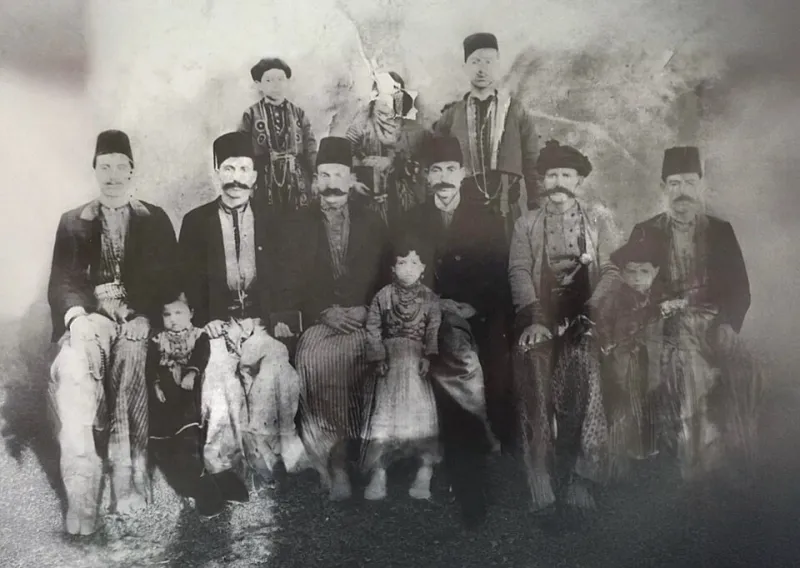
Photo: Kivercik, Public domain, via Wikimedia Commons
There's a running joke in the restaurant industry: chain executives spend years studying what makes a neighborhood spot feel like home, then spend millions trying to manufacture that same feeling at scale. It never quite works. And nowhere is that gap more obvious than when you compare a corporate fast-casual operation to a family-owned Turkish kebab house.
Customers notice. Survey data from the National Restaurant Association consistently shows that independent, ethnically focused restaurants score higher on satisfaction metrics related to food quality, staff attentiveness, and — perhaps most tellingly — the likelihood that a diner will return without any financial incentive to do so. No punch card. No points. Just a genuinely good experience.
So what exactly are places like Taki's Kebab House doing that the chains can't seem to crack?
The Ingredient Question Nobody at Corporate Wants to Answer
Walk into most chain restaurants and ask where the meat comes from. You'll get a rehearsed answer about "quality suppliers" and "rigorous standards." Walk into Taki's and ask the same question — you might actually get a name, a farm, or at minimum a very specific answer about what cut is being used and why.
That's not a small thing. Independent Turkish kebab restaurants typically source ingredients with a level of specificity that centralized chain supply chains simply can't accommodate. Lamb from a trusted halal butcher. Fresh parsley and flat-leaf herbs from local produce suppliers. Spice blends that are mixed in-house rather than shipped in pre-portioned packets.
The difference shows up in the food. Adana kebab made with freshly ground lamb and hand-blended red pepper paste tastes fundamentally different from a protein that's been processed, frozen, and reheated under a heat lamp. Regulars at independent spots know this intuitively, even if they couldn't explain the supply chain logic behind it.
When the Owner Is Also the Guy Refilling Your Water
Family ownership changes the entire dynamic of a dining experience. When the person who decided to open the restaurant is also the one checking on your table, the motivation to make sure you leave happy is immediate and personal — not filtered through a regional manager and a customer satisfaction survey that gets reviewed quarterly.
At many independent Turkish restaurants across the US, the ownership is visible and present. That matters more than it sounds. Research from Cornell's hospitality school has found that customer satisfaction scores climb measurably when diners have direct, positive interactions with ownership or senior staff. There's something psychologically reassuring about knowing the person who cares most about the food is in the building.
Regulars at places like Taki's often describe their relationship with the restaurant in terms that sound less like consumer loyalty and more like community membership. "They know I don't like it too spicy," one longtime customer put it. "I've never had to say anything twice." That kind of institutional memory about individual preferences isn't something a chain can build into its POS system.
Authenticity as a Competitive Moat
Chain restaurants can hire consultants to develop "globally inspired" menu items. They can run focus groups. They can A/B test sauces. What they genuinely cannot do is replicate the cultural authenticity that comes from a restaurant where the recipes have been passed down, the techniques are second nature, and the food means something to the people making it.
Turkish cuisine has a depth that rewards curiosity — regional variations in spice profiles, the specific way different proteins respond to charcoal versus gas grilling, the role of mezze in shaping the pacing of a meal. Independent restaurants are the places where that knowledge actually lives. And American diners, who are increasingly sophisticated about food culture, are picking up on that distinction.
This is partly why Turkish kebab houses have been gaining ground in markets where you'd least expect it — not just in coastal cities with established immigrant communities, but in mid-sized Midwestern towns where diners are actively looking for something that feels real rather than engineered. The authenticity isn't a marketing angle; it's just what happens when a family cooks the food they grew up eating.
Personalization That Doesn't Require an Algorithm
Every major chain is currently investing heavily in personalization technology — apps that remember your order, AI-driven recommendations, loyalty tiers designed to make you feel seen. It's an impressive amount of infrastructure deployed in the service of making a transaction feel like a relationship.
Independent kebab houses do the same thing with a notepad and a good memory. Or sometimes without either, because the staff simply pays attention.
That human-scaled personalization — knowing that a particular table always orders the lamb şiş medium-well, or that a regular customer's anniversary dinner deserves a complimentary baklava — creates the kind of emotional connection that no app has successfully replicated. It's not scalable, which is exactly why chains can't do it. And it's one of the primary reasons customer retention at independent Turkish restaurants tends to outpace industry averages without any formal loyalty infrastructure in place.
The Satisfaction Gap in Plain Numbers
The American Customer Satisfaction Index has tracked a persistent gap between independent restaurants and large chains for years, with independents consistently outperforming on food quality and service dimensions. That gap has actually widened in the post-pandemic period, as diners became more attuned to the value of local businesses and more skeptical of the impersonal efficiency that defines the chain experience.
For Turkish kebab specifically, the numbers align with a broader cultural moment. Consumers are actively seeking out food experiences that feel connected to a real place, a real tradition, and real people. A chain can offer consistency. An independent restaurant like Taki's can offer something harder to quantify but easier to feel: the sense that someone actually cared about what ended up on your plate.
Why "Good Enough" Isn't Winning Anymore
Chains built their dominance on reliability. You know exactly what you're getting, regardless of location. That's a genuine value proposition, and it's not going away. But "good enough, everywhere" is losing ground to "exceptional, right here" — especially among diners who have more information, more options, and more interest in food culture than previous generations.
Turkish cuisine sits at an interesting intersection of accessibility and depth. It's not intimidating — kebab is, at its core, grilled meat and bread — but it rewards exploration and has layers of regional variation that keep regulars engaged over years of visits. That combination of approachability and genuine culinary richness is something independent restaurants are built to deliver.
Chains are still figuring out how to sell it. Meanwhile, the neighborhood kebab house keeps the grill hot and the tables full.