Why You Keep Coming Back: The Real Science Behind Turkish Restaurant Loyalty
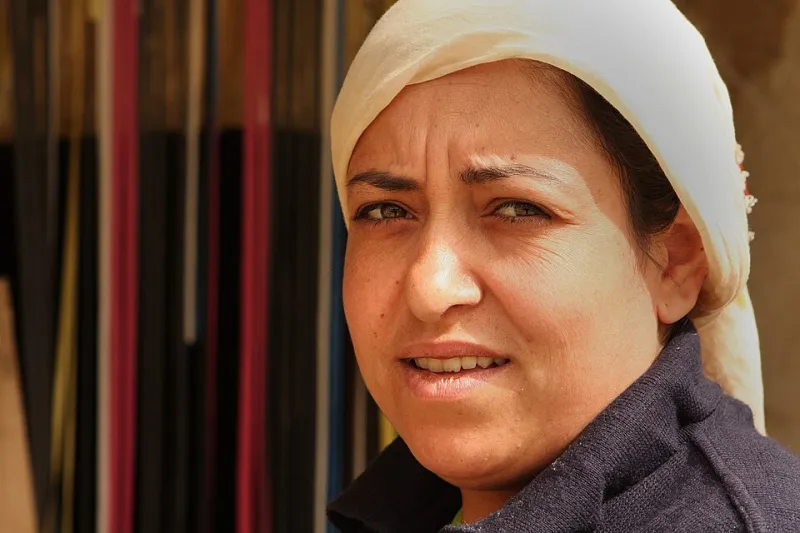
Photo: David Dennis from Santa Cruz, CA, USA, CC BY-SA 2.0, via Wikimedia Commons
You told yourself last Tuesday it was a one-time thing. Maybe you were just tired, maybe you didn't feel like cooking, maybe the smell of charcoal-grilled meat drifting down the block made the decision for you. But then Wednesday happened. And Friday. And suddenly you're on a first-name basis with the guy behind the counter, you have a "usual," and the idea of going somewhere else for dinner feels vaguely disloyal.
Welcome to the kebab house loyalty effect — and no, you're not imagining it.
Turkish restaurants, kebab houses in particular, have an almost uncanny ability to turn first-time visitors into lifelong regulars. In an industry where customer retention is notoriously difficult and the average American tries a new restaurant before abandoning it within a few visits, kebab spots consistently outperform. The reasons why are more fascinating than you might expect.
The Neuroscience of "Your Spot"
Let's start with your brain, because that's where loyalty actually lives.
Every time you walk into a familiar restaurant and receive a warm greeting, your brain releases a small hit of dopamine — the same neurotransmitter associated with reward and pleasure. This happens before you've even looked at the menu. Neuroscientists call this "anticipatory reward," and it's triggered by environmental cues: the smell of cumin and charred meat, the sound of a specific kitchen, even the lighting in a room you've sat in before.
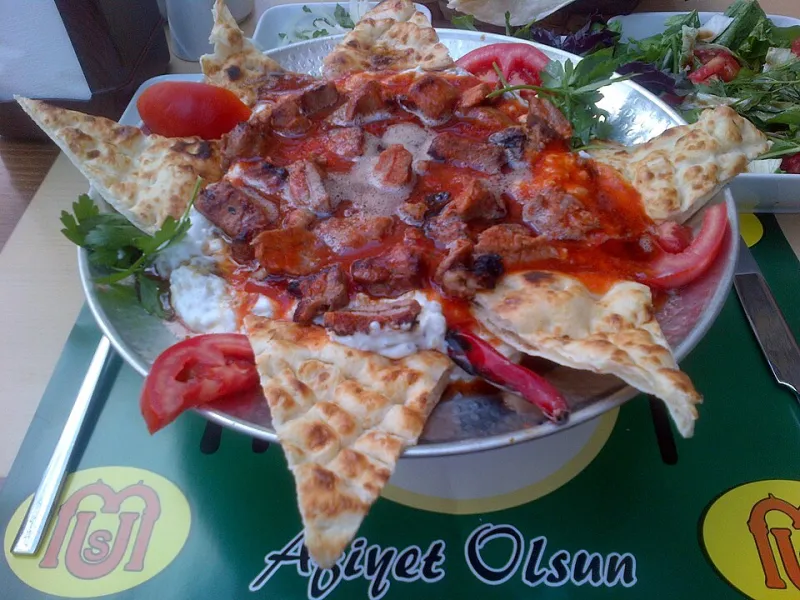
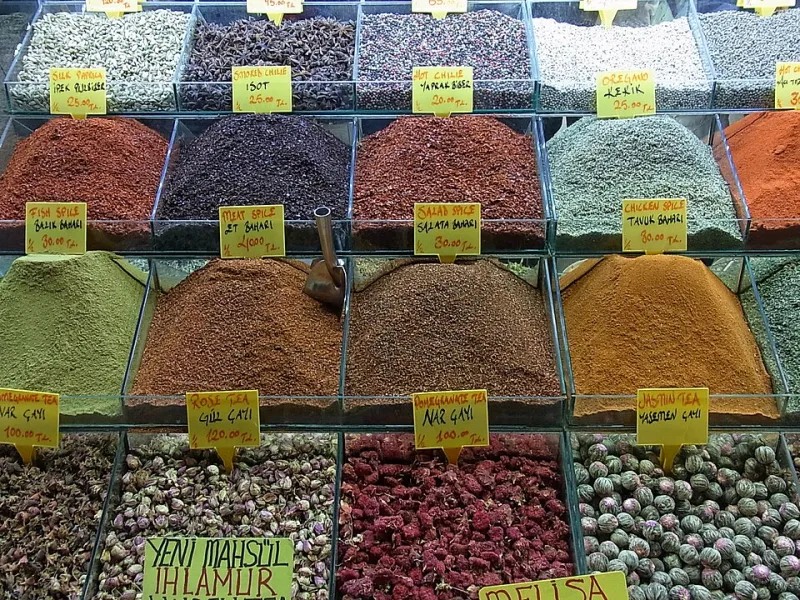
Turkish restaurants are exceptionally good at building these sensory anchors without trying particularly hard to do so. The spice profiles — sumac, Aleppo pepper, dried mint, warm cumin — are distinct enough to be immediately recognizable, yet comforting rather than jarring. Your nervous system learns to associate those smells with satisfaction, and over time, the association deepens into something that feels a lot like belonging.
Add to that the consistent visual cues — the copper serving trays, the soft warm tones, the open grill visible from the dining room — and you have an environment that your brain has essentially bookmarked as "safe, good, rewarding."
Misafirperver: Hospitality as a Cultural Philosophy
Here's where Turkish culture does something that most American restaurant chains spend millions trying to replicate and usually fail at: it treats hospitality as a moral obligation rather than a service strategy.
The Turkish concept of misafirperver — roughly translated as "friend of the guest" — runs deep. In traditional Turkish culture, a guest is considered a gift, not a transaction. This philosophy shapes everything from how a host makes eye contact when you walk through the door to whether your water glass gets refilled before you notice it's empty. It's not a script. It's a value system, and customers feel the difference immediately.
Research in consumer psychology consistently shows that perceived sincerity is one of the strongest predictors of customer loyalty. People can detect performed hospitality within seconds, and they can equally detect genuine warmth. When a restaurant owner remembers that you prefer your lamb well-done, or asks about your daughter's soccer game because they actually remember mentioning it last week, that's not a CRM system at work — that's misafirperver in action.
At places like Taki's, this isn't a training module. It's just how things are done.
Consistency: The Underrated Loyalty Driver
Ask any restaurant consultant what kills customer relationships faster than anything else, and they'll tell you: inconsistency. Not bad food — inconsistent food. A dish that's transcendent on Saturday and merely okay on Wednesday creates cognitive dissonance that erodes trust faster than a one-time bad experience.
Turkish kebab cooking has a structural advantage here. Many of its signature dishes — Adana kebab, shish, doner — rely on techniques and spice blends that have been refined over generations. When a kitchen is built around recipes that have survived centuries of refinement, consistency becomes easier to maintain. The marinade for the chicken shish isn't being reinvented every season. The ratio of fat to lean in the Adana hasn't changed because a new sous chef wanted to experiment.
This predictability is psychologically powerful. Behavioral economists call it "uncertainty reduction" — when we know exactly what we're going to get and we like it, the decision to return becomes almost automatic. Your brain stops deliberating and starts defaulting. That's how a restaurant becomes a habit.
The Community Table Effect
One of the more underappreciated dynamics in Turkish dining culture is the way it naturally encourages communal eating. Mezes arrive in the middle of the table. Bread is shared. Large platters are designed for two or four, not one. This isn't accidental — it reflects a cultural understanding that food is fundamentally a social act.
In the American context, this translates into something restaurants elsewhere struggle to manufacture: the sense that you're part of something larger than your own meal. When you bring a first date to a kebab house and the server brings out an extra dish "on the house, just to try," that moment becomes part of your story. When you take your parents there and the owner comes out to say hello, the restaurant becomes embedded in your family's shared memory.
Social psychologists refer to this as "shared experience bonding" — the idea that experiences we have with others in a specific place create associative memories that tie us to that place long after the evening ends. Turkish restaurants, perhaps more than any other cuisine category in America right now, are generating these moments at a remarkable rate.
Personalization Without the App
Tech companies have spent the last decade trying to crack personalization at scale — algorithms that remember your preferences, apps that suggest your "usual" order, loyalty programs with tiered rewards. Some of it works. Most of it feels hollow.
What Turkish kebab houses do is deliver personalization the old-fashioned way: they pay attention. Your regular server notices you always skip the onions. The owner knows you come in every Friday after work and have the Efes before you even sit down. Nobody scanned your loyalty card. Nobody ran a data query. Someone just watched and remembered because they actually care whether you have a good time.
This kind of human personalization creates what researchers call "psychological ownership" — a feeling that this place is, in some meaningful sense, yours. Your table. Your order. Your restaurant. And once that feeling takes hold, switching to somewhere else starts to feel like a small but genuine loss.
So Why Does It Matter?
Understanding the mechanics of loyalty isn't just an academic exercise. For diners, it explains why certain restaurants feel irreplaceable even when you can't quite put your finger on why. For a place like Taki's, it's a reminder that what we're doing every day — greeting regulars by name, keeping the spice blends consistent, treating every table like a guest in our own home — isn't just good business. It's the whole point.
The kebab house loyalty effect is real, it's measurable, and it's built one meal at a time. Come in enough Fridays and you'll feel it yourself — that particular ease of walking into a place where the food is exactly what you expected and the welcome is warmer than you deserve on a Tuesday night.
That's not a marketing strategy. That's just Turkish hospitality doing what it's always done.