The Seven Jars on Our Shelf: A Home Cook's Guide to Turkish Pantry Staples
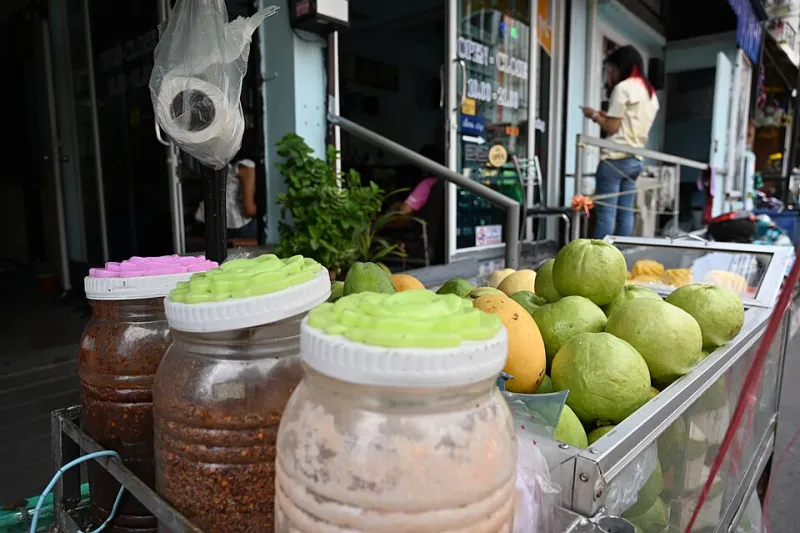
Photo: PattayaPatrol, CC BY-SA 4.0, via Wikimedia Commons
People ask us all the time what makes the food at Taki's taste different. The honest answer is technique and a very hot grill. But the slightly more useful answer is what's sitting on our prep shelf — a short list of spices and pantry staples that show up in almost everything we make.
The good news for home cooks: none of these are exotic anymore. Every single one is findable in an ordinary American grocery store, usually in the spice aisle or the international section. Here's the list, in the order we'd tell a friend.
1. Pul Biber (Aleppo-Style Red Pepper Flakes)
This is the backbone. Pul biber — Turkish red pepper flakes — is fruitier and less harsh than standard crushed red pepper. It goes into marinades, on eggs, over hummus, honestly anywhere you'd reach for heat.
Where to find it: Many mainstream grocers now stock it as "Aleppo pepper." McCormick makes a widely available version. If you can't find it, use half crushed red pepper and half sweet paprika.
2. Sumac
Sour, lemony, crimson — sumac does the job of citrus without any liquid. It's what gives our onion salad its brightness.
Where to find it: Check the spice aisle or Middle Eastern brands like Sadaf and Ziyad. No sumac? A squeeze of lemon plus a tiny pinch of salt gets you close.
3. Dried Mint
Turkish cooking uses dried mint almost as much as fresh — it's in yogurt sauces, meatballs, and tea. The drying concentrates it into something almost savory-herbal.
Where to find it: Any spice aisle carries dried mint. It's not a niche item; people just forget it exists.
4. Sweet Paprika (and Plenty of It)
Not smoked, not hot — just good, sweet Hungarian or Turkish-style paprika. It rounds out marinades and gives kebab spice blends their deep red color without burning heat.
Where to find it: Everywhere. Buy the bigger jar. You'll use it.
5. Cumin, Ground Fresh
Cumin is in nearly every kebab marinade we make. The trick is buying whole seeds and grinding them — the pre-ground stuff goes flat within months.
Where to find it: Whole cumin seeds are in every American supermarket. A $10 spice grinder pays for itself fast.
6. Good Olive Oil
Turkish cooking treats olive oil as an ingredient, not a garnish. It finishes salads, enriches doughs, and loosens yogurt sauces.
Where to find it: Skip the fancy boutique stuff for cooking; a solid supermarket extra-virgin — California Olive Ranch is a reliable pick — does the job.
7. Yogurt, the Thick Kind
Turkish yogurt is strained, tangy, and sturdy enough to stand up to grilled meat. It's the base for sauces, the cooling counterpoint to pul biber, and honestly a food group of its own.
Where to find it: Fage Total or any full-fat Greek yogurt works. If you want to go further, strain it through cheesecloth overnight.
Why This Matters
Here's what we hope you take from this list: the gap between restaurant food and home cooking is smaller than it looks. Seven jars, a hot pan, and decent ingredients will get you remarkably far.
And when you want the real thing — the fire, the spit, the bread that comes out warm — you know where we are. Consider this your shopping list; consider dinner with us the field trip.